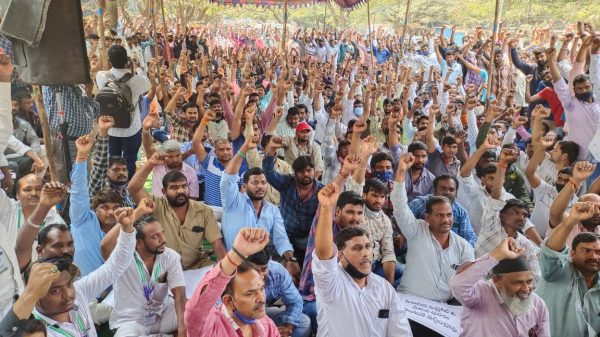





The lower house of the Indian Parliament - the Lok Sabha - yesterday, hurriedly passed the Information Technology (Amendment) Bill without a debate; the melee in the Lok Sabha centered around political oneupmanship, rather than legislation. According to media reports, the law allows: -- Interception of messages from mobile phones, computers and other communication devices -- Blocking of websites in the interest of national security -- Measures to tackle cyber crime: fraud, phishing, terrorism, pornography -- The setting up of a Cyber Appellate Tribunal We're trying to locate an updated version of the bill; here's a copy of the THE INFORMATION TECHNOLOGY (AMENDMENT) BILL, 2006 (via PRS India), and a copy of the Standing Committee report on the IT (Amendment) Bill, 2006. We'll update with more on the specifics of the IT Act; we're looking, in particular, for the following: -- Interception of person-to-person communication, and the situations under which the government may be allowed to do the same -- Incorporation of a "Safe Harbor" provision, like the one that exists in the DMCA. This will free platform service providers like YouTube from the liability that accrues from users who upload infringing content. -- Liability in case of copyrighted transfer of data via P2P - with the person downloading, uploading or both? -- Provisions for blocking of websites: The Indian government did try to block access to certain websites two years ago. My views on the same: How Can A Few People Decide What We View Online? and Uncert-in Reasoning. Note: the…